
The convergence of AI agentic frameworks and the evolution of financial settlement layers continues to accelerate. This week’s signals highlight a critical shift: we are moving from AI as a “tool” to AI as an “infrastructure participant.” From headless browsers built specifically for agents to the resurgence of maritime-era insurance logic in the digital age, the theme is clear: Infrastructure is the ultimate moat.
On Social#
Summary: A deep dive into Jack Dorsey’s obsession with maps and how it led to the invention of Twitter.
Why it Matters: Founders who obsess over spatial and information flows often build the most enduring platforms. Mapping is the first step to conquering a market.
My Take: Obsession is the best filter for talent. Dorsey didn’t just build a social network; he built a real-time protocol for the world’s consciousness.
Summary: A curated list of high-performance GitHub repositories for Claude-based development.
Why it Matters: The barrier to entry for building complex agentic systems is collapsing. If you aren’t leveraging these “superpowers,” you’re falling behind.
My Take: The “Get Shit Done” (GSD) stack is the new enterprise architecture. Rapid prototyping with Claude is no longer optional.
Summary: Anthropic and OpenAI are moving into PE-backed consulting to help enterprises deploy AI.
Why it Matters: Even the most powerful models need “boots on the ground” to overcome organizational inertia.
My Take: Deployment is the new R&D. The bottleneck for AI adoption is cultural, not technical.
Summary: Lightpanda, a headless browser built from scratch for AI agents, claiming 11x speed over Chrome.
Why it Matters: Existing web infrastructure was built for humans. Agents need a new set of primitives.
My Take: Agents will require their own internet stack. A browser that doesn’t “render” for eyes but “reads” for models is a fundamental shift.
Longer Reads#
World Models: Computing the Uncomputable#
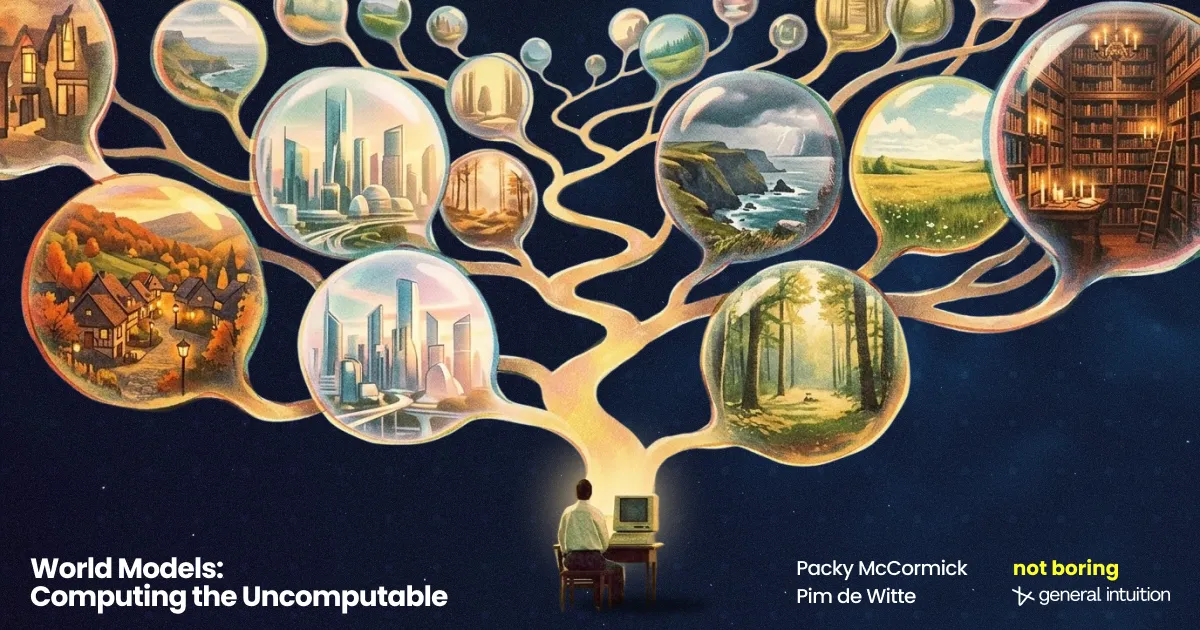
Summary: Packy McCormick explores how AI systems are learning to simulate the world via video and “dreaming.”
Why it Matters: Embodied AI needs to understand physical constraints before it can safely operate in the real world.
My Take: Simulation is the ultimate training ground. The companies that own the world models will own the autonomous future.
Book Highlights#
Underwriters of the United States#
a body of knowledge about the particularities of trading, which changed constantly and which could not really be written down or codified.
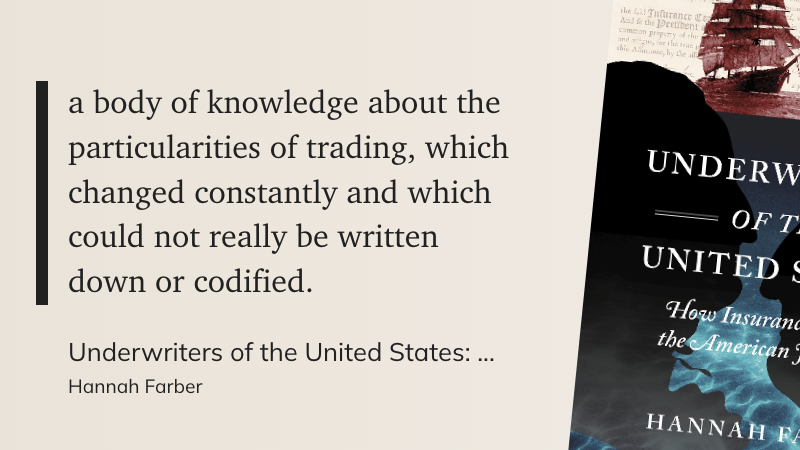
Summary: Farber discusses the tacit knowledge of maritime insurance in the early US.
Why it Matters: Financial systems are built on unwritten conventions as much as legal code.
My Take: The best alpha is in the un-codified. Even in the age of Smart Contracts, “vibe” and reputation still govern the largest trades.
Broken Money#
smartphone adoption has surpassed bank account adoption on a global basis. … And with smartphones, people can store and transfer encrypted value via cryptocurrencies.
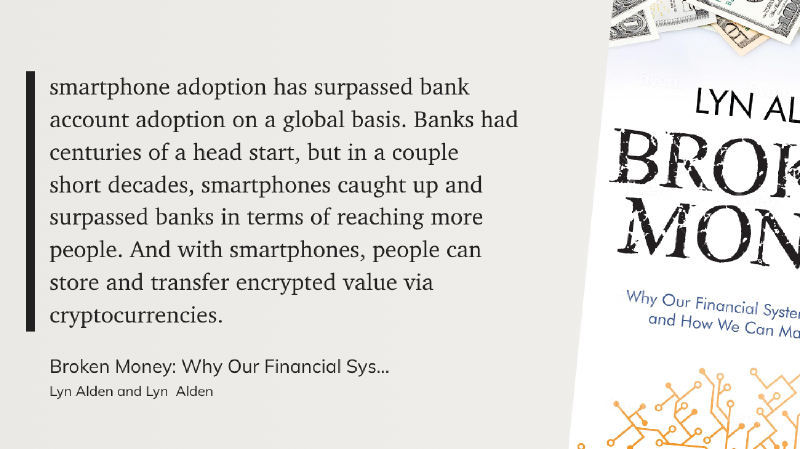
Summary: Alden highlights how smartphones have outpaced banks in global reach, enabling decentralized value transfer.
Why it Matters: The hardware layer has already won. The banking layer is being bypassed by software.
My Take: The smartphone is the bank branch of the future. Financial inclusion will happen via protocols, not institutions.
Looking for more? You can explore the archives of previous fast-twitch market observation and insights on the Signals page. You can also have the latest Signals delivered directly to your inbox!