
Energy Transition
Quick Answer
The Energy Transition is not just an environmental imperative; it is a fundamental shift in Long-term Capital Allocation. Success requires balancing immediate infrastructure needs with the strategic requirements of a decarbonizing global economy.
Sustainability Strategy: Beyond “ESG” Compliance#
For most companies, sustainability is a compliance exercise. For the strategic executive, it is a competitive advantage. Sustainability Strategy is about de-risking your future supply chain and capturing the “green premium” that customers are increasingly willing to pay.
We focus on moving from passive ESG reporting to active value creation. This means identifying where carbon efficiency overlaps with operational efficiency—reducing waste, lowering energy costs, and building a brand that the next generation of talent actually wants to work for.
The Hardware of Transition: Infrastructure & Capital#
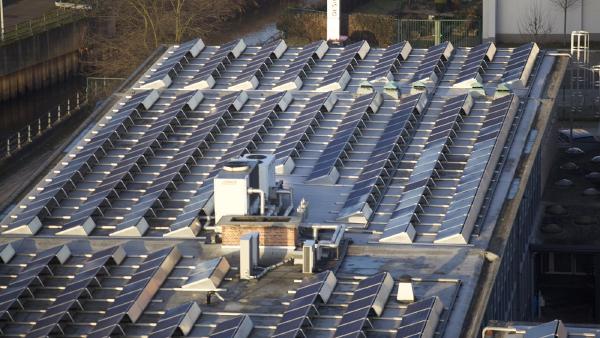
The energy transition is a hardware problem. It requires massive investments in Infrastructure—from solar and wind to hydrogen and long-duration storage.
This presents a unique challenge for Capital Allocation. How do you bet on technologies that may not reach maturity for a decade? We explore the frameworks for derisking these investments, leveraging green bonds, and partnering with development banks to spread the risk.
Betting on 2050 Today#
Strategic leadership in the energy space requires an “Infinite Game” mindset. You are making decisions today that will dictate the viability of your organization in 2050.
In this hub, we unpack:
- Policy Navigation: How to stay ahead of global carbon taxes and regulatory shifts.
- Tech Scouting: Identifying the breakthroughs in battery chemistry and grid tech that will define the next decade.
- Circular Economy: Moving from a “Take-Make-Waste” model to a regenerative one that protects long-term shareholder value.
Frequently Asked Questions
? Is sustainability always a cost center?
No. When integrated into the core strategy, sustainability often leads to lower operational costs (through efficiency) and higher market valuation (through risk reduction).
? How do you derisk long-term infrastructure investments?
By using “Modular Scaling”—investing in small, replicable infrastructure projects rather than “mega-projects.” This allows you to learn and pivot as technology improves.
? What role does technology play in the transition?
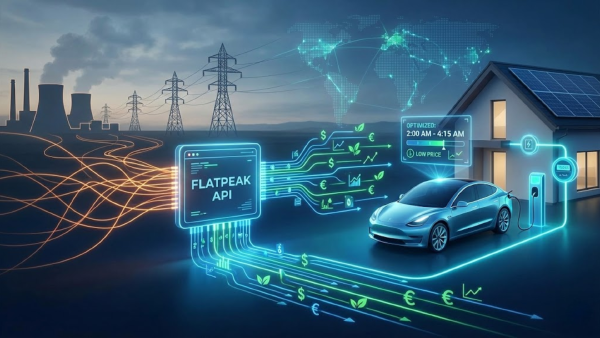
Technology is the primary multiplier. Without advances in software (for grid management) and hardware (for energy density), the transition would be economically impossible.
Featured Insights on Energy Transition#