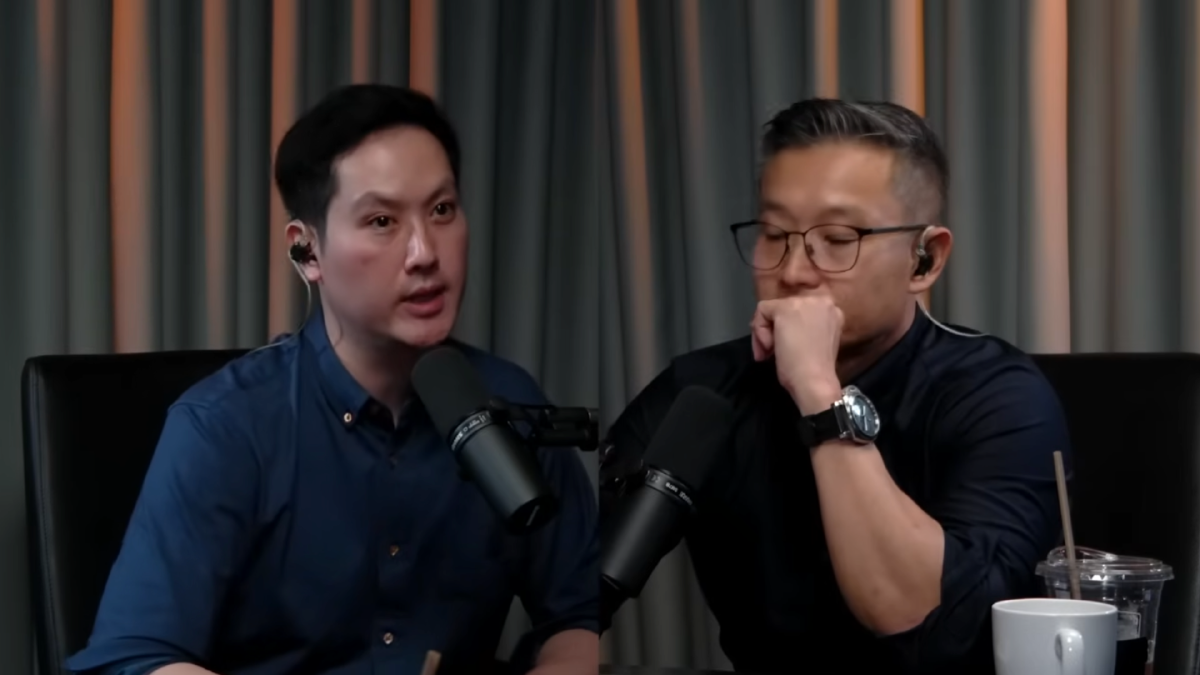
I recently watched a compelling discussion on YouTube between John Dang and Jon Lim (Founder and CEO of DragonFi) regarding the Philippine SEC’s decision to ban Interactive Brokers (IBKR) and other unregistered foreign trading platforms in the Philippines. The conversation deeply resonated with my own professional journey and the core mission I’ve championed throughout my career: the vital importance of democratizing access to financial services.
Having spent years building digital ecosystems and engaging with regulators in Southeast Asia and the Philippines, I see clear overlaps between the sentiments shared in this video and the future we must build for Philippine finance. Here are three key takeaways on why this matters.
The Paradox of “Consumer Protection”#
As noted in the discussion, regulators like the SEC and the Philippine Central Bank (BSP) are filled with dedicated public servants whose primary goal is to protect the public. In this way, the people and mission are very much aligned with those driving financial inclusion. However, policy mistakes happen, and the ban on IBKR appears to be a blunt instrument used with a broad brush.
The stated intent was consumer protection and preventing money laundering, yet it ironically locked Filipinos out of one of the most protected brokerage environments in the world. Platforms like IBKR are backed by the US SIPC, which protects up to $500,000 in stocks and $250,000 in cash: a level of consumer protection that currently has no equal in the Philippines. True consumer protection shouldn’t mean restricting access; it should mean empowering investors with secure, heavily regulated, and globally standardized platforms.
Adverse Selection and the Illusion of Preventing Capital Flight#
In my years scaling UBX as the Philippines’ leading embedded finance platform, the goal was always to bring the unbanked and underbanked into the fold. We sought to break down walls. Restrictive bans do the exact opposite.
The discussion astutely points out the “adverse selection” created by this ban. The wealthiest 5% of investors are not trapped by this policy; they simply open private banking accounts to move their money offshore. It is the everyday Filipino investor, the ones who most need the compounding power of top-tier global equity markets to build wealth, who are disenfranchised and left behind. Furthermore, forcing local investors to use expensive “feeder funds” that charge layered fees strips away significant portions of their potential returns, acting as a direct headwind to their financial growth.
The Urgent Need for Modernized Frameworks#
The world is moving incredibly fast. As the video highlights, global liquidity is currently funneling into an all-out race for AI supremacy, critical minerals, and digital infrastructure. If Filipino investors cannot legally and efficiently access these global growth stories, our local workforce, especially sectors heavily reliant on services like the BPO industry, is left entirely exposed to AI disruption without the ability to hedge their bets by investing in the very technology disrupting them.
The path forward isn’t building higher walls; it’s building better bridges. As Jon and DragonFi are demonstrating with the country’s first digital retirement account, modernizing our local retirement accounts, like the Personal Equity and Retirement Account (PERA), to emulate the massive success of the US 401(k) system is a critical step. We need policies that incentivize corporate matching and provide deep tax advantages to stimulate local liquidity while still allowing Filipinos the freedom to diversify globally.
The Pragmatic Path Forward#
Throughout my career, from managing corporate venture funds to scaling digital platforms, I have seen firsthand that capital will always flow to its most efficient destination. We cannot mandate local investment through restriction. Instead, we must collaborate with our regulators to craft data-driven, open-finance policies that give Filipinos the freedom to determine their own economic destiny.
The real heroes of our digital economy, the founders, the small businesses, and the individual retail investors, deserve a regulatory environment that opens doors, rather than locking them out.
I really enjoyed this discussion, take a look: